For many churches, creating an environment where every child can participate in ministry starts with understanding that children learn and interact in different ways. At Casa de Dios Christian Fellowship in Avenal, children’s ministry director Kenia Corona recognized a growing need to better support children with autism and other disabilities in the church.
“I started noting that more kids were diagnosed with autism and in our classrooms, teachers were having trouble finding space for them.”
Traditional classroom environments can present challenges for children with different sensory needs. Bright lights, sounds and activities that require certain motor skills may not work for every child.
As Kenia explained, “every child is different, every disability is different, not every child can adjust to the room light, to the sounds. Not every child can hold a pencil to do crafts and arts. So it’s very challenging when we don’t have a space for them in our classrooms.”
For Kenia, recognizing these challenges meant rethinking how the church approached children’s ministry. Rather than expecting every child to adjust to the same classroom environment, she wanted to create a space that could better support their individual needs.
How CCT Training Helped the Church Understand Children’s Needs
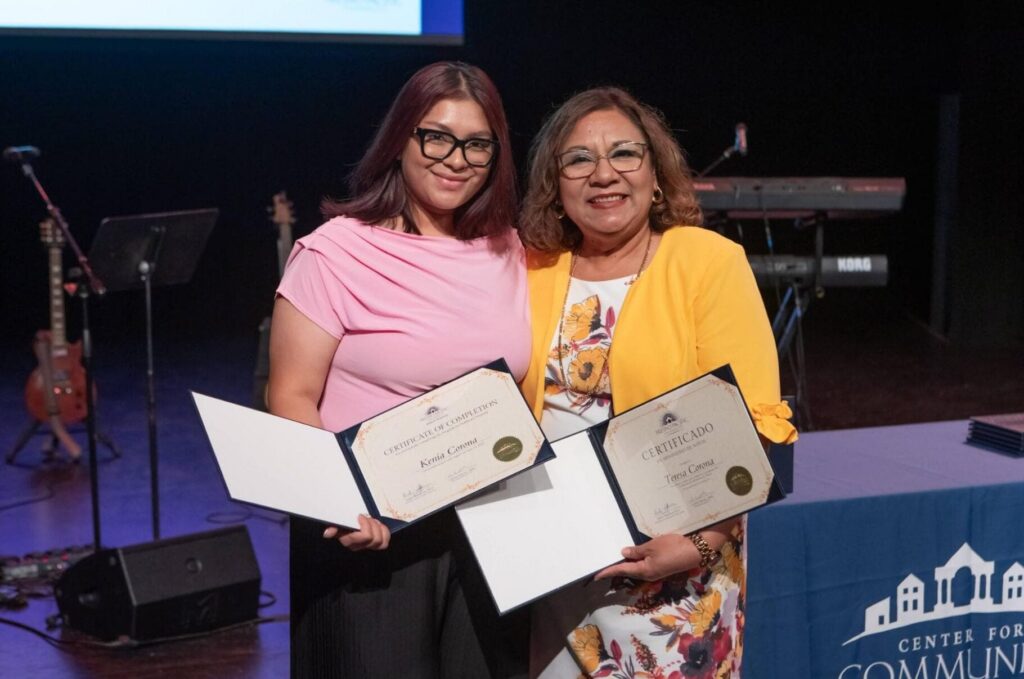
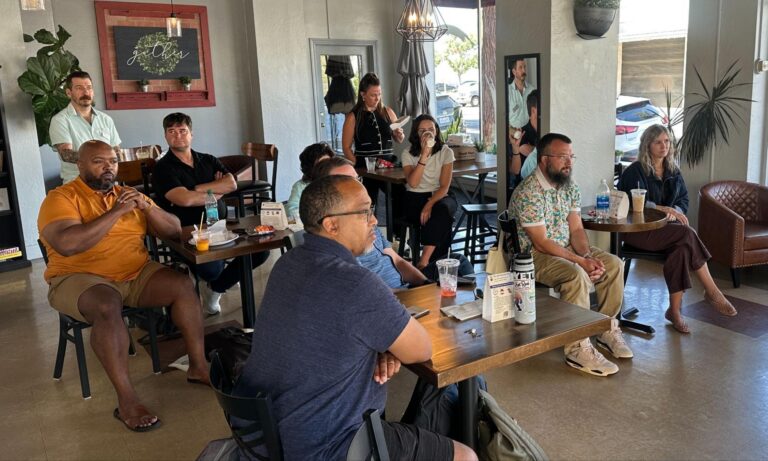
Through the Center for Community Transformation’s (CCT) Nurturing Children initiative, church leaders have opportunities to strengthen their understanding of children’s development and learn how to better support children in their congregations. For Kenia, participating in CCT’s children’s ministry training helped her see her role in a new way.
“It really helped me understand and open my mind to more than just a kids ministry director. It helped me understand how children think, how they interact, how they learn, and especially those with a disability.”
The experience changed how she thought about creating an environment where children could learn and participate.
“I was able to understand that we need a space for them and it’s not something that we can just put them in the class and they’ll learn. It’s something that we have to be open-minded and provide them [with] a room.”
This understanding helped the church recognize that supporting children with disabilities requires more than simply welcoming them into an existing classroom. It means considering how they learn, what helps them feel comfortable and what resources can make participation possible. For churches looking to strengthen their children’s ministries, this kind of learning can be an important starting point. Understanding children’s individual needs helps leaders make more informed decisions about how to support the children and families in their congregations.
A CCT Mini-Grant Helped Create a Church Sensory Room
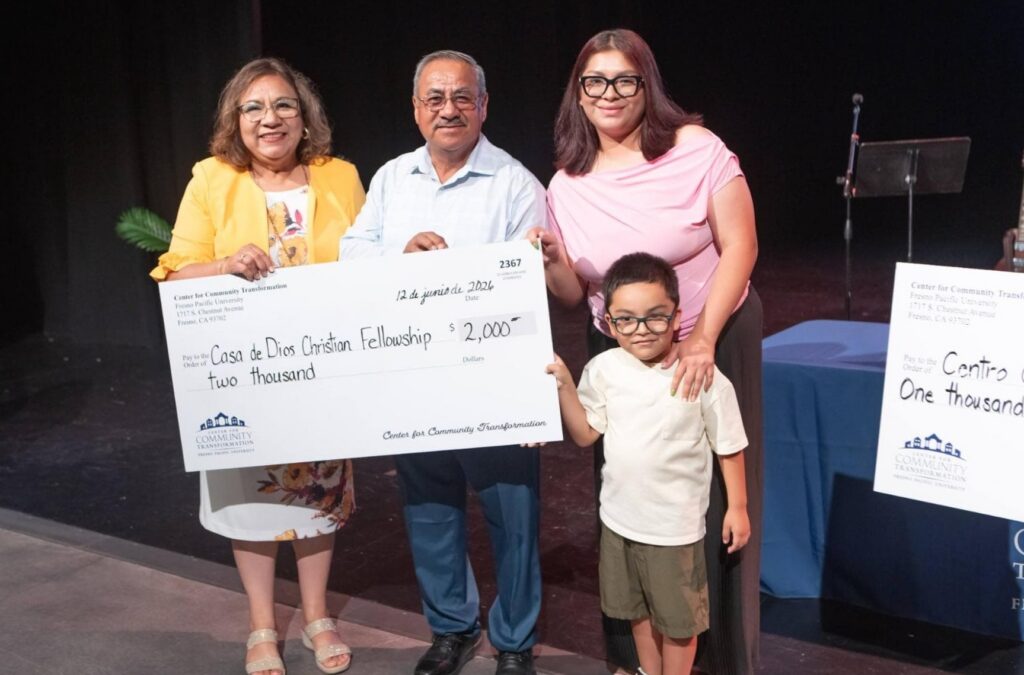
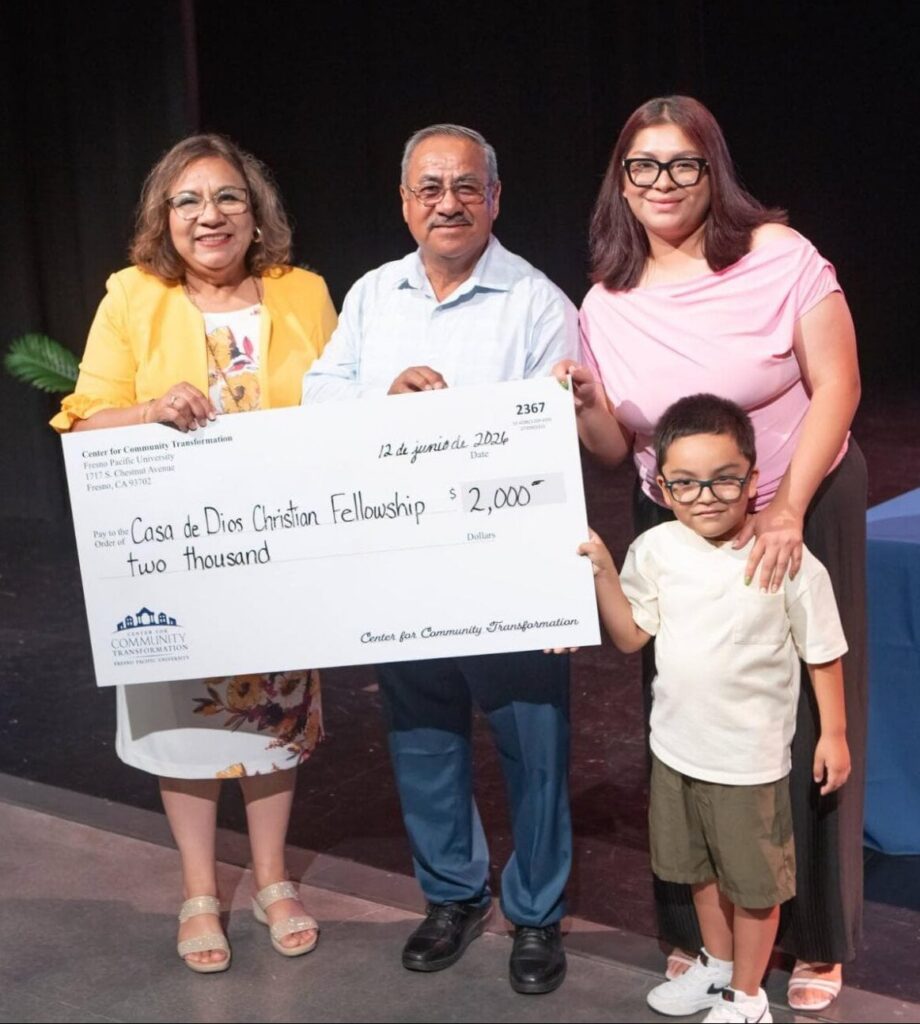
With a better understanding of the need, Casa de Dios Christian Fellowship applied for a CCT Nurturing Children mini-grant to help create a dedicated sensory room. Kenia described the application process as a positive experience.
“The process of applying for the mini grant through CCT was easy. If I had questions, they were there to answer us.”
The church received the grant and used the funding to create a room specifically for children with special needs and disabilities. The room includes a variety of activities and equipment designed to give children different ways to interact with their surroundings.
Among the additions are:
- Ball pit: A place for children to play and explore.
- Spinning chair: An activity that provides another sensory experience.
- Trampoline: An opportunity for movement and play.
- Couch: A comfortable place for children who prefer to sit or lie down.
- Tent and tunnel: Additional spaces for children to explore.
- Busy board: An interactive activity with a musical station, maze, puzzles and other features.
- Sensory rocks: Textured stepping stones that can make sounds and light up when children step on them.
Each addition provides another way for children to engage with the room. Rather than relying on one type of activity or learning environment, the space offers different options based on what children enjoy and need. The goal is not simply to provide a room for children to spend time in. It is to create an environment where they can participate in church activities in ways that work for them.
How the Sensory Room Is Changing the Church Experience
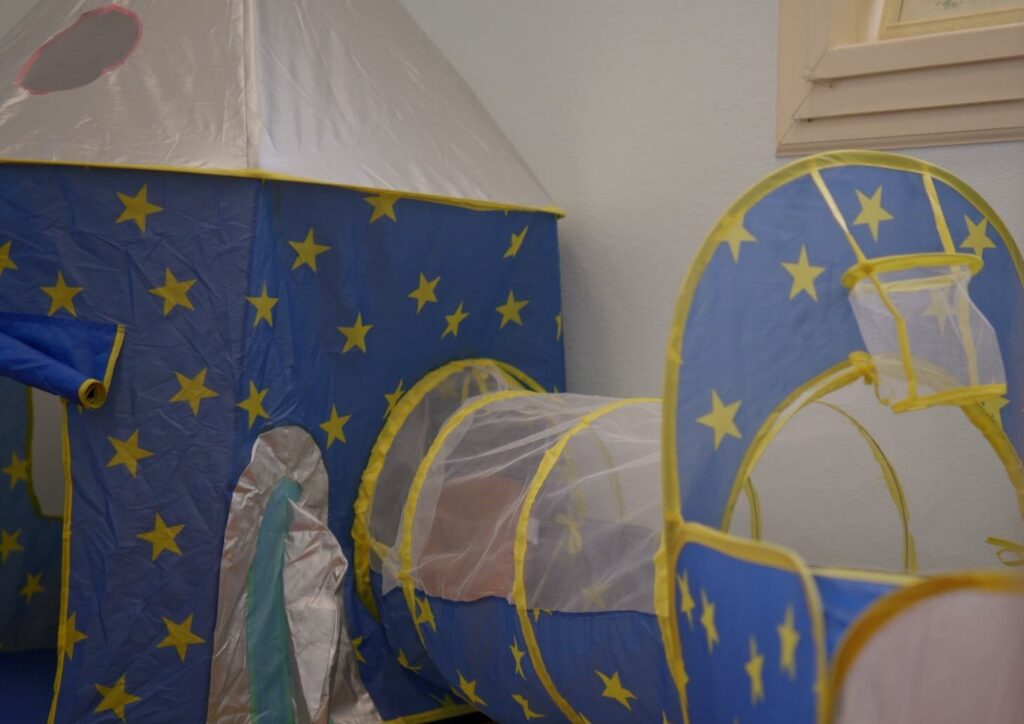
For Kenia, the impact of the room is especially personal. As a mother of a child with autism, she understands the challenges families can experience when bringing their children to church.
“Before we had his room, [it was] very challenging to bring my son to church and now that we opened up this room, he comes happy, he comes willing and he knows that as soon as he comes, he can come to this room and it’s a safe place.”
The room has given her family a different experience at church. What was once challenging has become an opportunity for her son to participate in a place where he feels comfortable and supported. Kenia hopes other families will experience that same sense of welcome.
“I imagine peace, security, and a sense of relief that they can come and know that we are accepting them and helping them and they can be more part of our church family.”
The impact is also extending beyond the families already attending Casa de Dios Christian Fellowship. Kenia shared that church members have started inviting friends with children who have autism, letting them know there is now a space available for their children.
“Now our church is aware that we have a space for these children and now it’s more of a way of evangelizing and saying, hey, like we have room, we have a space for your child, you’re more than welcome to come if that was an obstacle.”
The sensory room has become a way for the church to communicate its commitment to welcoming more families into its community.
Creating Opportunities for Children to Grow in Their Faith
While the sensory room provides opportunities for play and exploration, it also supports the church’s approach to teaching children about the Bible. Kenia explained that she uses the room’s resources to help children engage with Bible stories in different ways. For children who learn through visual activities, she can use a whiteboard for illustrations and adjust the lesson when she notices they are becoming distracted.
One example involves a child who enjoys playing with sensory bottles. Kenia used one of the bottles to teach him the story of Noah and the flood. The activity gave him a way to connect something he enjoyed with the Bible story.
“And now every time he comes to this classroom, he names it Noah.”
For Kenia, moments like this show how the resources in the room can become meaningful tools for ministry.
“To me it’s beautiful to know that I can use everything provided in this room to teach the kids about the Bible and about God’s love.”
The room allows children’s ministry leaders to think differently about how they teach, making room for different learning styles while continuing to help children understand God’s Word. Kenia’s experience also changed how she approaches teaching beyond the sensory room.
“Participating in the workshops has really helped me connect with other ministry leaders, with other church leaders that also helped me understand that we are not alone and there is always help and connections if we start looking for them.”
She added that the experience changed her approach to teaching every child, not just those with autism or disabilities.
Encouraging Other Churches to Get Equipped
Kenia hopes other churches will recognize the importance of learning how to support children with disabilities and autism. She believes churches have an important role in serving the families in their communities and should be prepared to welcome children with different needs.
“I encourage every church [leader] or child ministry director or even teachers to start getting involved and getting equipped to open up doors for children and their families with a disability and autism.”
She also encourages church leaders to ask questions, look for resources and seek opportunities to learn. For Kenia, the experience has shown that churches do not have to figure everything out on their own. Through training, connections with other ministry leaders and resources like CCT’s mini-grants, churches can take meaningful steps toward creating more supportive environments.
“I 100% encourage every church to apply for a mini grant like this. It’s really life-changing when you start including not only the children, but their families for church.”
She continued, “Now they have a sense of security and relief that our church or your church can receive them [with] open heart [and] with open arms.”
Helping More Churches Make Room for Every Child
The story of Casa de Dios Christian Fellowship shows how training and a small grant can help a church respond to a need within its congregation. For Kenia, the sensory room represents more than new equipment or an additional classroom. It represents a different approach to children’s ministry, one that considers how every child learns, creates opportunities for families to feel welcome and helps children grow in their understanding of God’s love.
Through CCT’s Nurturing Children initiative, churches can access resources and support to strengthen their children’s ministries and better serve the children and families in their communities. There is no single approach that works for every child or every church. But with a willingness to learn, listen and make room for different needs, churches can take steps toward creating environments where more children and families feel they belong.
Learn more about CCT’s Nurturing Children initiative and explore opportunities to equip your ministry and better support the children in your congregation.