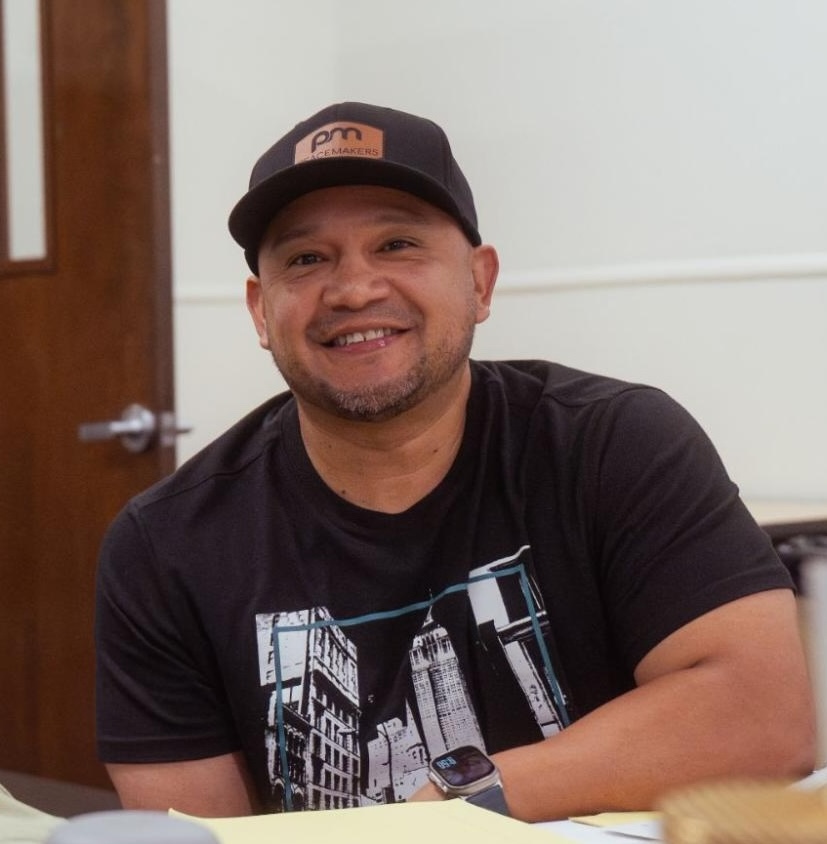
For Steve Dominguez, executive director of Peacemakers Fresno, leadership growth has required slowing down. He now listens more closely and keeps the people his organization serves at the center of its work.
Through the Center for Community Transformation’s (CCT) Redemptive Impact Accelerator (RIA), Steve found space to grow.
He also rethinks how Peacemakers approaches its work in the community to support its people.
His experience shows how redemptive leadership shapes how a leader operates and how an organization serves people.
Learning to Lead With the People You Serve in Mind
When Steve joined Peacemakers, he knew he had more to learn about leadership. As a new executive director, he wanted to understand the nonprofit world, build the organization well, and ensure Peacemakers made a meaningful impact while honoring the people it served. He learned about RIA and saw an opportunity to invest in his growth as a leader.
Steve says becoming a healthier and more redemptive leader has required him to continue developing personally, learning from other leaders, and remaining teachable and humble.
“I need to continue to [learn] from other leaders throughout the community. I need to be teachable [and] humble, and as I learn and develop that my team will… benefit from it.”
For Steve, leadership development is not separate from the work of serving others. As he grows, he believes his team benefits too. That growth helps the organization continue serving its community with excellence.
Slowing Down to Build Better Relationships
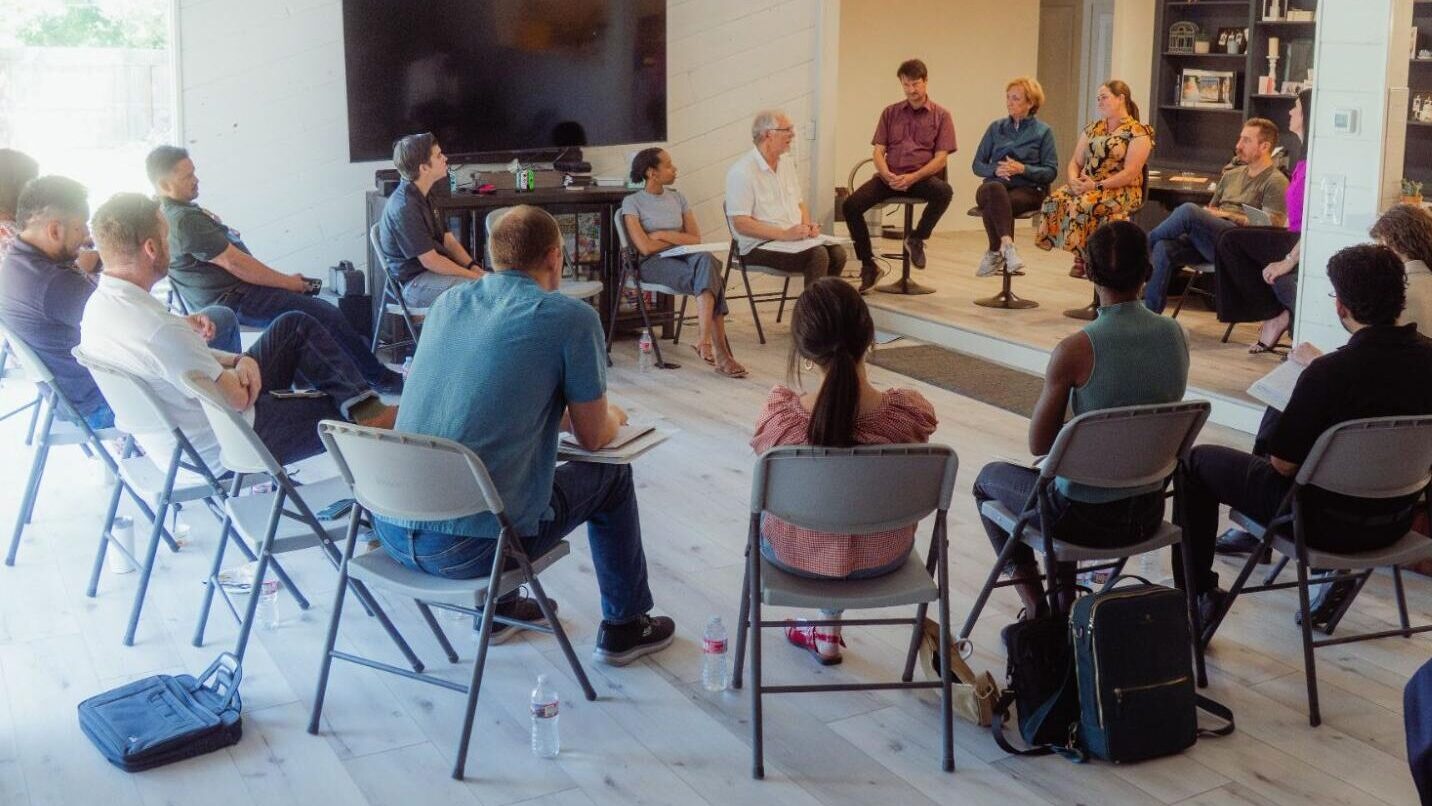
One of the biggest shifts Steve describes is how he thinks about the number of people Peacemakers serves. From the beginning, Peacemakers saw a significant need in the community and wanted to reach as many individuals and families as possible. Through RIA, Steve began to think differently about what redemptive work requires. Rather than focusing primarily on quantity, he learned to slow down and focus on the quality of each relationship.
“As I’ve come to understand that redemptive work is stopping to really sit with people and hear their stories and know their heart, hear their dreams, hear their hope.”
That shift has influenced how Peacemakers works with families. Steve describes the importance of being still, listening to people’s stories, and taking one family or situation at a time. He shared that the organization has worked to “line up faces with names and information” so that the people they serve do not become numbers or statistics. The goal is to make sure individual needs do not fall through the cracks.
“Every person is precious; every story is a beautiful opportunity of what could be.”
For Steve, this is a key part of what it means to lead and serve from a redemptive framework.
Keeping Real People at the Center of the Work
RIA has also influenced how Steve reminds his team why Peacemakers exists. He makes a point of keeping the needs of individuals and families in front of the team through real stories and the voices of people in the community. Those stories do not always have to be shared publicly. They can simply serve as reminders within the organization of who the work is ultimately for.
“One of the practices that I’ve implemented since, you know, my time with RIA is really making sure that we’re reminded as a team about who we serve and why we do what we do.”
For Steve, keeping those stories close helps the team remember that behind every program, partnership, and organizational task is a real person with a real story. That perspective also shapes how he thinks about the long-term work of nonprofit leadership. Redemptive leadership means maintaining a vision and staying committed to a mission even while dealing with the everyday challenges of running an organization.
As Steve puts it, “it’s the people that matter, it’s the families that matter, it’s our partner organizations.”
From Being Served to Becoming an Advocate
Steve shared the story of Maria as an example of what this approach can look like. Maria, a married mother of three young daughters, first connected with Peacemakers after receiving a flyer at her apartment complex. When she came to Peacemakers, she experienced something that stayed with her: she was not treated as another face or number.
Instead, the team took the time to sit with her, get to know her, and walk with her.
Over time, Maria became a volunteer and advocate in her community. Her experience allowed her to help show her neighbors that there was a place where people cared about them, valued them, and were willing to walk alongside them. For Steve, Maria’s story reflects what can happen when an organization takes the time to build relationships rather than simply measure how many people it reaches. It also reflects the kind of impact he wants Peacemakers to continue pursuing, which is helping people move toward development, growth, and hope.
Redemptive Leadership Starts With the Leader
Steve’s experience with RIA has also challenged him to recognize that redemptive work requires personal commitment from the people leading it. He describes nonprofit work as a journey that requires more than providing a temporary solution. It means being willing to walk alongside families through difficult circumstances and doing the work behind the scenes that makes that possible. For Steve, that work starts with his own willingness to grow.
“That starts with me just giving myself to just doing that hard work and being transformed through this journey of redemptive work.”
His continued growth as a leader is connected to the health of the organization and the people it serves. By remaining teachable, continuing his personal development, and learning alongside other leaders, Steve is working to create the kind of organization he wants Peacemakers to be.
What Is the Redemptive Impact Accelerator?
Steve’s experience is one example of what the Redemptive Impact Accelerator is designed to support.
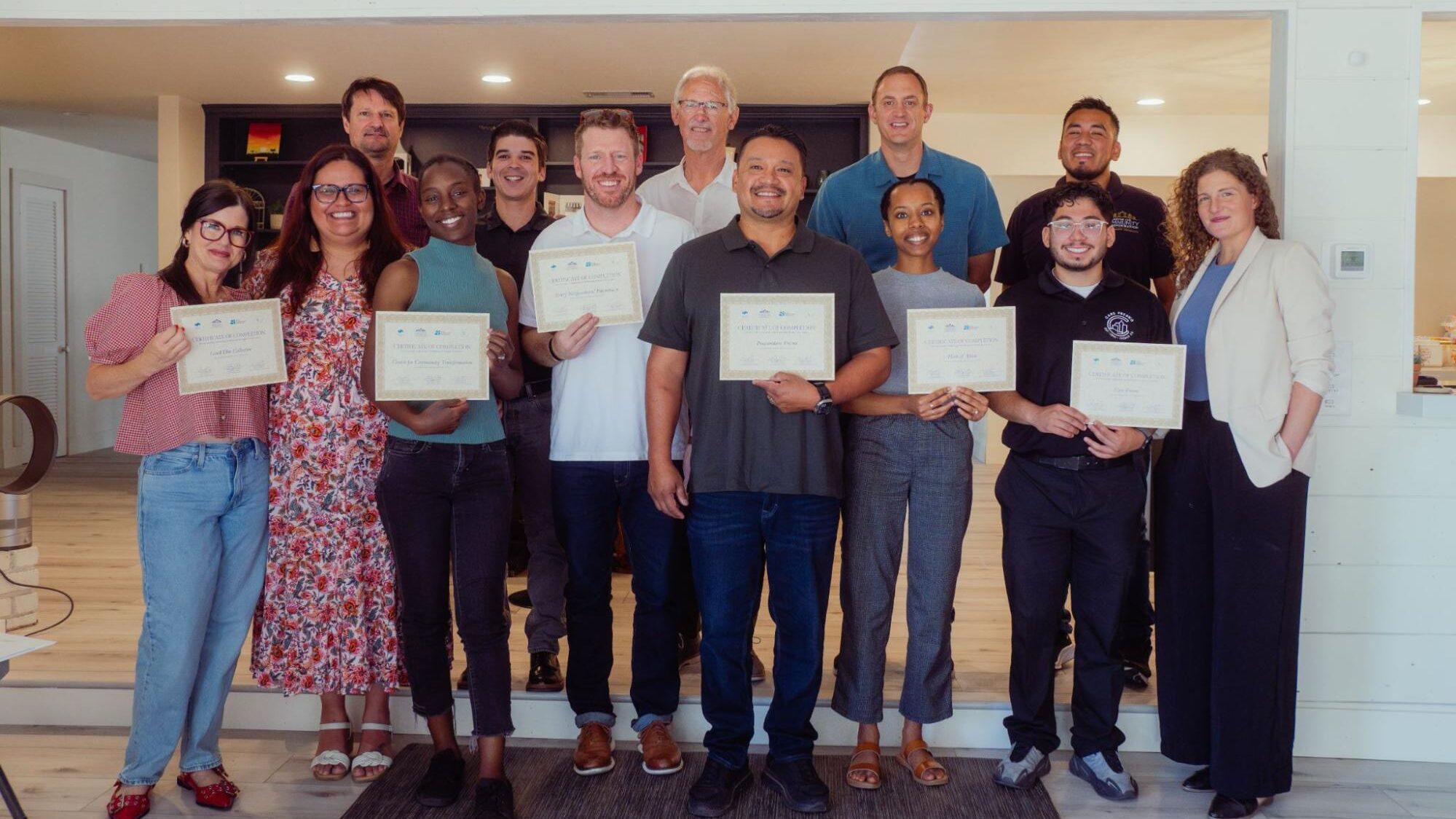
RIA is a collaborative training program from Fresno Pacific University’s Center for Community Transformation and Every Neighborhood Partnership, in partnership with Praxis. It helps faith-based nonprofit leaders strengthen executive and program-level leadership skills and increase their impact through a redemptive leadership approach.
The program explores three areas of nonprofit leadership:
Leadership: Why We Build
Leaders clarify their direction, strengthen their organizational foundation, and explore how mission, vision, and values can guide their work through a redemptive lens.
Strategy: What We Build
Leaders examine how they design programs and strategies that create long-term impact, including program redesign, innovation, monitoring and evaluation, and building organizations that dignify and empower the people they serve.
Operations: How We Build
Leaders develop stronger systems and organizational practices, including areas such as human resources, workflows, finances, and organizational culture.
Throughout the experience, nonprofit leaders learn alongside peers and are partnered with coaches who walk alongside them. The goal is to help leaders develop clearer impact goals and plans while building organizations that can sustain and grow their work.
For Steve, that experience has meant more than learning new nonprofit practices. It has changed the way he thinks about leadership, relationships, and the people at the center of Peacemakers’ work.
And he hopes other nonprofit leaders will make the same investment in themselves.
“One thing I really came out of RIA with is hope.” -Steve Dominguez
Continue the RIA Journey
Interested in growing as a redemptive nonprofit leader? Learn more about the Redemptive Impact Accelerator and stay connected for future RIA courses and cohort opportunities.